motivation
How do you maintain enthusiasm for learning a language?
10 min read

motivation

In the first week, everything is fun. New words, rapid progress, high enthusiasm. After two or three months, the routine begins. The same rules, the same mistakes, a feeling that you haven't moved forward. This is where many stop.
Enthusiasm is a feeling. Commitment is a decision. Those who rely solely on enthusiasm are waiting for a motivation that may never come. Those who build a simple system persevere even through difficult times.
Learning a language for its own sake is poorly motivating in the long run. Link it to something you enjoy: a movie you want to watch without subtitles, a trip you're planning, a work project, a new friendship.
Write your goal on a piece of paper and hang it where you'll see it. When your enthusiasm wanes, read it aloud. Reminding yourself of the goal brings it back into focus.
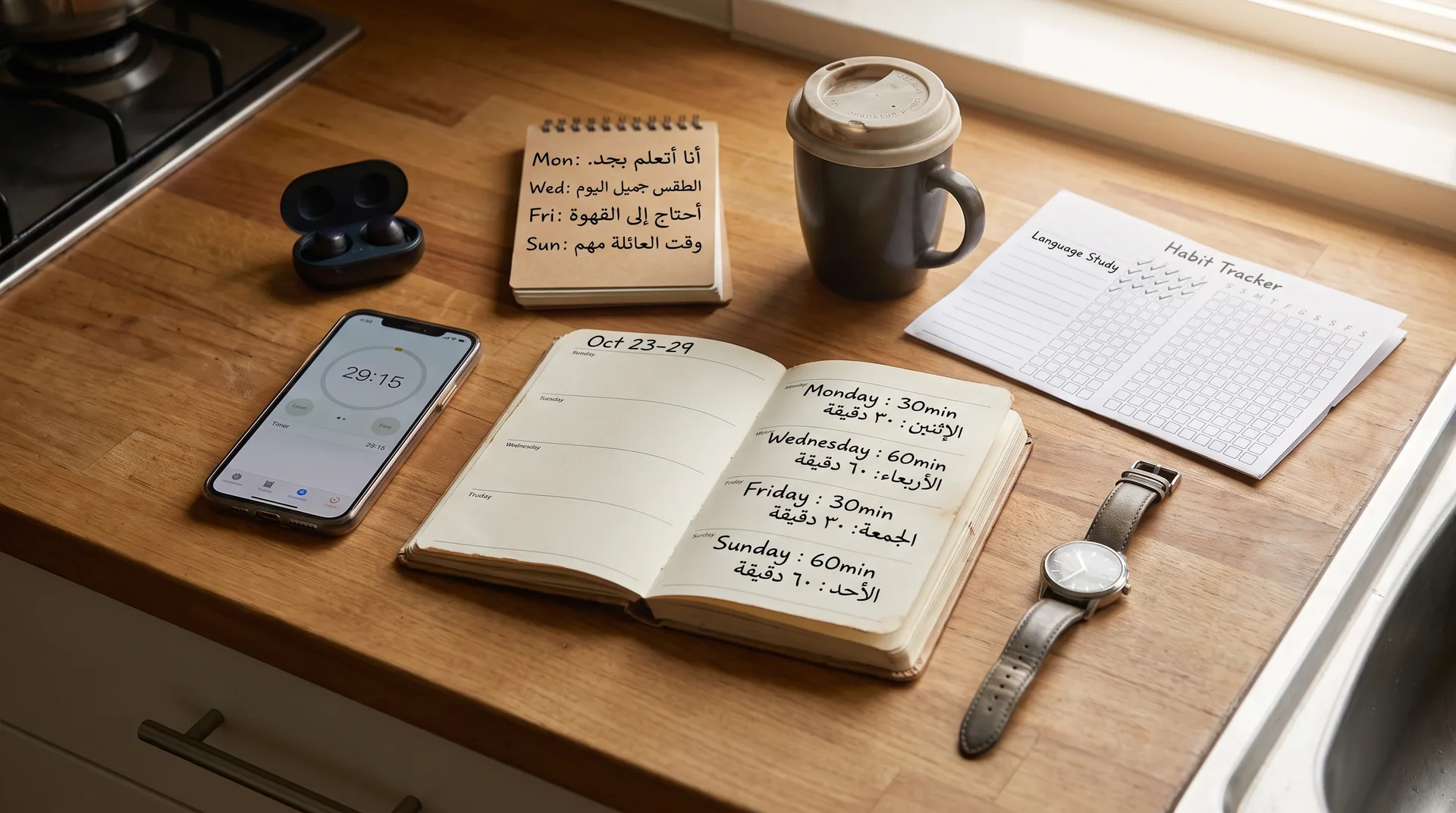
The brain loves evidence. A small notebook: each session, mark it. A two-week, unbroken streak gives you a desire not to break it.
Record a short video each month while reading the same text. The comparison will reveal progress you might not notice daily. This visual guide will fuel your continued efforts.
No longer searching for a word in conversation? Achievement. Understood a simple joke? Achievement. Completed a week without missing an appointment? Achievement. Celebrating doesn't mean a big reward. A sentence in your notebook: Today I understood without translation.
Small achievements build a success story. You're not just learning a language. You're someone who commits and progresses.
Boring routines kill enthusiasm. But variety doesn't mean jumping between ten different resources. Change things up within your existing framework: a special lesson this week about travel, next week about food. Listen to music one week, a podcast the next.
Limited diversification keeps the brain awake without losing track.
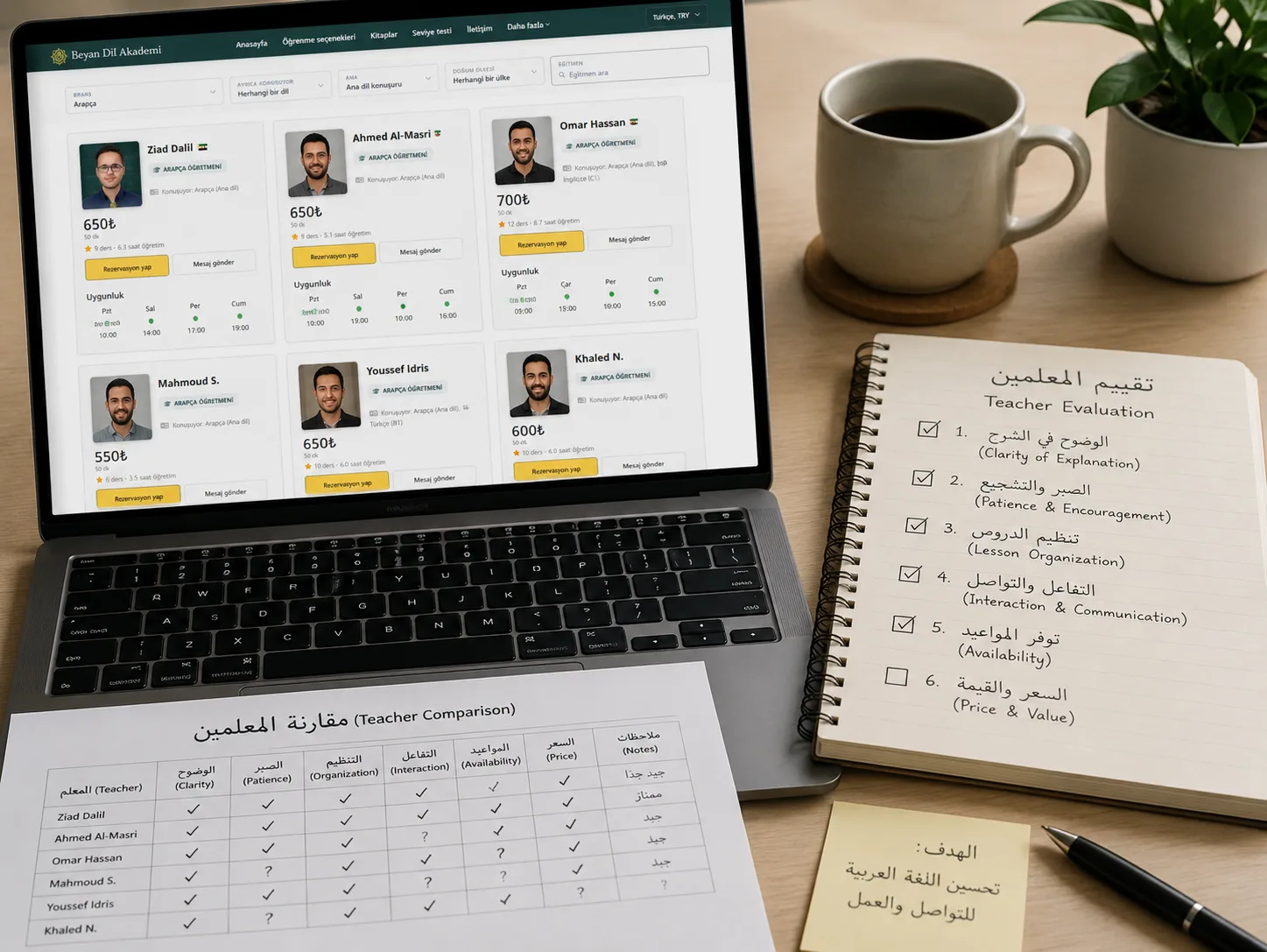
When someone expects you, you show up. The teacher isn't a policeman, but an external point of commitment. Book a weekly lesson It means that someone else is investing your time with you.
Tell your teacher when you feel discouraged. An experienced teacher has seen this feeling hundreds of times. They have strategies: changing the subject, reducing the assignments, reminding you of what you've accomplished.
There will be weeks when you feel like you're not making progress. This is normal with any skill. The brain consolidates knowledge during periods of rest that, from the outside, appear to be pauses.
Don't make big decisions during the gray period. Don't cancel subscriptions, don't delete apps. Stick to the minimum: ten minutes, one lesson. The period will pass.
A small group of learners sharing progress gives you support. Group course Or a forum or a friend to learn with you. Sharing transforms the journey from isolation to a shared path.
Share a small achievement each week. External encouragement strengthens internal motivation.
Success isn't about perfect fluency tomorrow. Success is about showing up today. Someone who studies for ten minutes on a difficult day is more likely to succeed than someone who waits for a perfect moment that never comes.
When the enthusiasm returns, you'll find that you didn't fall far behind because you kept the thread. That's more important than any one perfect day.
Start from a clear level across Free testThen, establish a weekly commitment with teacher It reminds you of your goals when you forget them.
Those who miss a week often feel guilty and stop altogether. Guilt is the enemy of consistency. Instead of blaming yourself, ask: What held me back? Travel? Illness? Work pressure? Solving the problem is simpler than canceling the entire trip.
After a month of commitment, reward yourself with something you enjoy unrelated to the language: a movie, a picnic, a favorite meal. Positive association reinforces the habit. The reward isn't buying a fifth book you won't read.
Perhaps you started traveling and then changed jobs. Update your goal and rewrite it. The new goal will bring meaning back to sessions that may have seemed monotonous. Share the change with your instructor so they can adjust the topics.
Those who persevere share one characteristic: they returned after a pause. They are not just the intelligent or the wealthy. They are those who accepted that difficult days are part of the journey and continued, taking small steps.
Learn with a friend or partner, even if you don't study together. Share a weekly message: What did you learn? A simple social commitment. Group course It adds collective energy without the pressure of competition.
Put a picture or word on your phone screen to remind you why: a city you want to visit, someone you want to talk to, a job opportunity. Emotion drives when logic falters.
Learning is the domain of the brain. Poor sleep reduces comprehension. A good night's sleep before class is sometimes more important than an extra hour of review when you're exhausted.
Prepare in advance: a favorite short clip, a sentence you've successfully pronounced before, a message of encouragement from a friend. On a difficult day, open the list and choose one. The goal is to touch the language, even if only for a minute.
Measuring enthusiasm every day is a waste of energy. Review it monthly. Are you moving forward? Are you committed? That's enough. Daily fluctuations are normal in any long-term project.
On days when you don't feel like studying, remember that poor attendance is worse than absence. A short session helps maintain your identity: I am still learning. Identity drives behavior in the long run.
At the beginning of each month, write: Why am I learning? Reread the sentence when your enthusiasm wanes. The real reason is more powerful than any motivational app.
Book a weekly lesson as a backbone. The fixed schedule will sustain you through the weeks when your natural enthusiasm wanes.
Enthusiasm returns when you see small progress. Make progress by attending daily, even if it's brief and modest. You're building a habit that will last long after the initial excitement fades. Your weekly appointment with your teacher is a pillar of strength.